
Responsible pet ownership
Pet owners are responsible for the needs of any animal that is under their care or guardianship.
The five freedoms of animal welfare
The Five Freedoms are an internationally recognised set of animal welfare standards. They outline what animal owners and carers must provide.
They are not just things we want to do for our animals, but also things we must do to be responsible owners.
They make sure we meet the mental and physical needs of animals in our care.
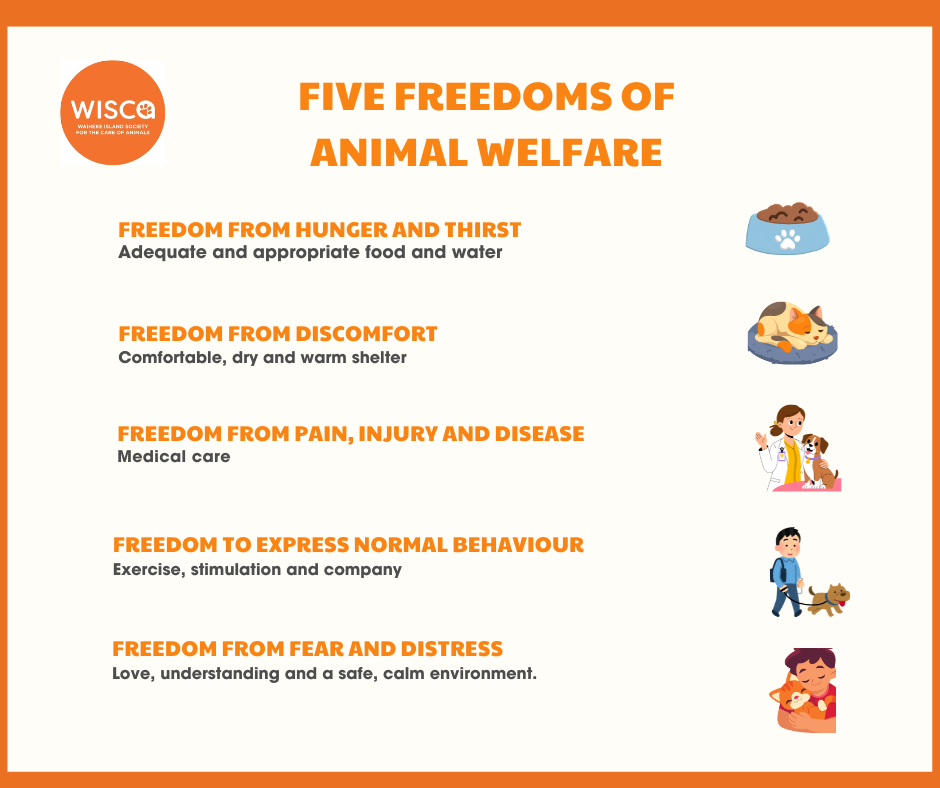
Freedom from hunger and thirst (food and water)
All animals deserve access to clean water and a well-balanced, nutritious diet. Freedom from hunger and thirst provides for animals most basic needs by allowing that animal to remain in good health and full of vitality.
Freedom from discomfort (shelter)
All animals should live in an appropriate environment. The conditions and surroundings given to an animal contribute to their overall wellbeing. By providing an animal with shelter and a comfortable resting area, you are ensuring that the animal remains healthy and happy.
Freedom from pain, injury and disease (medical care)
All animals should be entitled to immediate veterinary attention when sick or injured to avoid unnecessary suffering. In certain cases, unneccesary pain and injury can be prevented through regular visits to a vet.
Freedom to express normal behaviour (exercise)
All animals should be allowed to express normal behaviours. A normal behaviour is the way an animal acts in its natural environment. Enough space, proper shelter and housing as well as adequate exercise, opportunity to play and the company of the animal’s own kind encourages the expression of normal behaviours.
Freedom from fear and distress (love and understanding)
All animals deserve to be happy. Conditions that avoid unnecessary anxiety and stress will help to provide freedom from mental suffering. While favourable physical conditions are essential, appropriate mental conditions are also important to good animal welfare.
Responsible pet ownership, wildlife and the environment
Responsible pet ownership also involves making sure your pet does not negatively affect other people, animals or the environment.
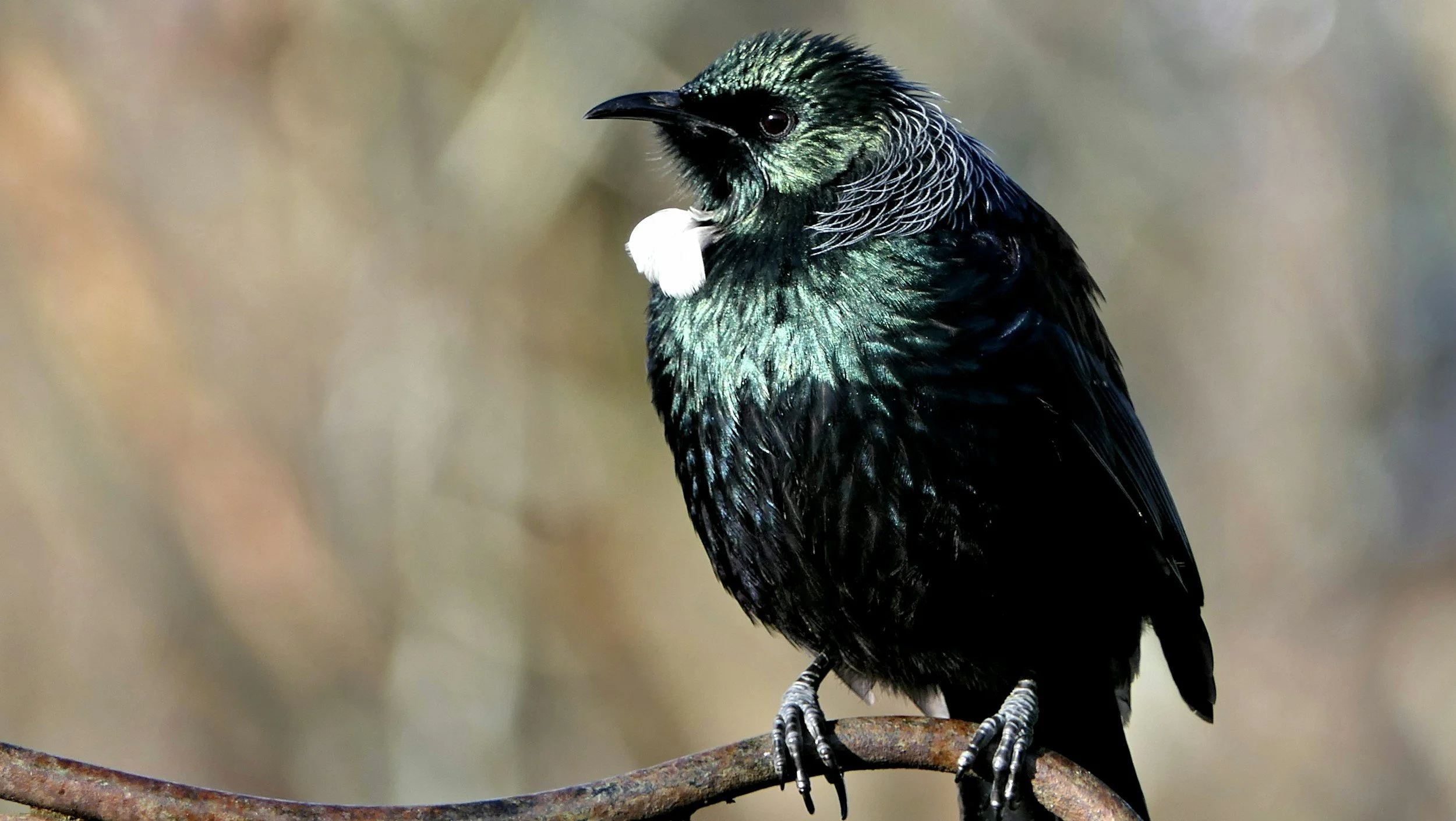
“What's good for Waiheke's wildlife is also good for your pet.”
To be a responsible pet owner, you should:
de-sex your pets when they are young
It’s a nice idea to let your pet have ‘just one litter’ but the reality is that there are already too many animals that need homes. Don’t add to the problem - desex your pet before they reach sexual maturity. This also reduces your pet’s inclination to fight, roam and risk getting lost or hurt. It also and makes cats less likely to mark territory by ‘spraying’ around your home.
microchip your pet
Microchipping dramatically increases your chances of being reunited with your pet if it gets lost. If caught in DOC traps or found roaming, an animal without identification may be presumed wild or stray and euthanised.
keep cats inside between dawn and dusk
This is when they will be hunting and when small creatures are out exploring and looking for food.
make sure your pet wears correct identification
Dogs must wear collars with tags. Cats can wear collars for ID purposes, but make sure they are quick-release collars.
feed your pet a good diet
A content and well-fed cat is less likely to hunt.
make sure your pet is mentally stimulated and exercised well
Cats who play at home are less likely to express their natural behaviours by hunting.
never ‘dump’ an animal
Domesticated animals are not the same as their wild cousins and do not do well in the wild. It is cruel, irresponsible and illegal to dump any animal.
If you are struggling to care for your pet, please talk to us - we’re here to help